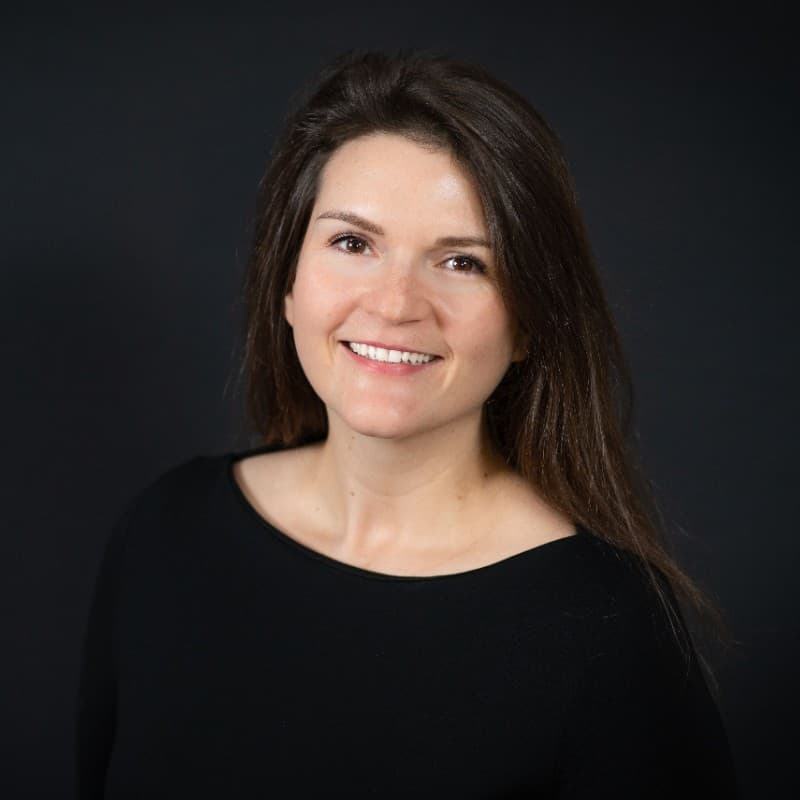
Hi Rafaela! We are very happy to have you in our success stories. Could you briefly introduce yourself?
Sure. My name is Rafaela, and I was at icons from 2011 to 2013. After completing my bachelor's and master's in business administration and doing several internships in banks and consulting firms, I started my professional career in consulting.
After a while, I realized I actually wanted to explore a different industry. Thanks to some friends from icons, I moved into tech in 2017 and worked at Google Ads and Google Cloud in Dublin and Vienna. In February this year, I joined Microsoft, where I now work as an Account Executive.
You mentioned you were at icons from 2011 to 2014. Can you tell us a bit about your time there?
When a friend from WU Top League first told me about icons in spring 2011, I immediately knew I wanted to be part of it. By that fall, I had joined and was immediately challenged with my first project.
My task was to convince major consulting firms such as McKinsey and Accenture to offer us workshops free of charge. At first I doubted whether that was even realistic, but it turned out to work very well.
Looking back, my time at icons was truly energizing. I learned a huge amount and had access to valuable resources, inspiring people, fascinating conversations, and creative ideas.
"It is amazing how positively my life developed through my time at icons."
Was there a specific key moment during your icons years that you still remember?
Yes, there was one moment I kept thinking about afterwards. It happened during a team-building weekend when all board members from the three locations were in strategy discussions together. At that time, I was the only woman on the board.
During the strategy discussion, I suddenly thought: "What can I really contribute here?" I stepped out briefly to make sure everyone was okay. When I came back, the others were already deep in discussion.
Then Henry Murray, a board member I worked with at the time, looked at me and said: "Where are you going? A decision is being made and you are leaving the table?" That reaction became a real turning point for me.
Since then, I have learned that my opinion and contributions matter, and that I have every right to participate in strategic discussions and shape decisions.
As you mentioned, you joined Microsoft at the start of this year. What does your work look like there?
In my current role, I work as an Account Executive for the healthcare sector. One of my main responsibilities is coordinating a team of around 20 colleagues working on projects for Microsoft's largest healthcare customers in Austria.
I am responsible for the revenue we generate in this sector. That requires building close, positive relationships with our clients' management teams and understanding their strategic plans in detail.
What are typical projects in your work? Which topics are currently most relevant in healthcare?
A central topic is security and data protection. Another key issue is dealing with the shortage of skilled labor in the sector. Here, we rely on technology to optimize processes and reduce the burden on teams.
We are helping healthcare organizations move toward a modern, efficient working environment. That includes digital communication tools and online collaboration capabilities to strengthen both efficiency and teamwork.
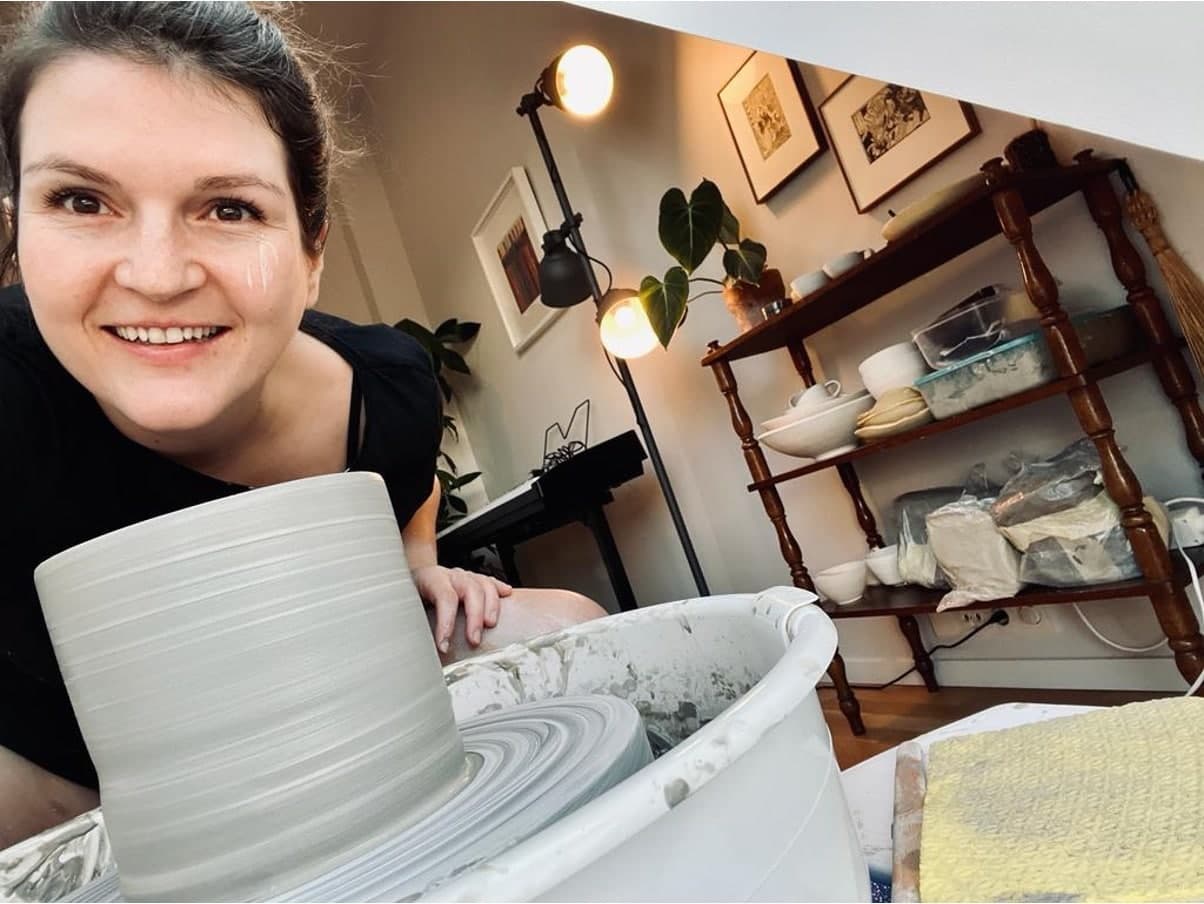
Between traveling, diving, and pottery, you have many exciting personal interests. How do you manage to fit so much in?
I am very intentional about time management. I am organized and structured, and I keep everything in my calendar. At the same time, I do not have children, no major obligations, and I do not work 100-hour weeks.
Ideally, I want an even more granular setup: a portfolio career with a corporate role, a supervisory board position, some teaching, and maybe some pottery. Compared to many people, I already have a lot of flexibility, but I would still like to have even more.
We also have a more personal question: what drives you?
I cannot formulate my purpose perfectly on the spot yet; I am still doing some soul-searching. But what drives me is the goal of building a happy life. I spend a lot of time reflecting on whether I am actually living the life I want to live.
For example, I currently mentor two mentees, and I really enjoy it because I know I can support them a little, and in return I learn a lot from them.
How would you describe your goal management? Do you set goals for yourself?
Absolutely. I have been tracking my goals since around 2011. I set annual goals and sub-goals across different life categories, and I truly enjoy it.
A Harvard study suggests that you are far more likely to reach a goal when you set it intentionally and write it down. I believe people often overestimate what they can achieve in six months and underestimate what is possible in five years.
To close, what advice would you give students with big ambitions?
Two concepts I find extremely valuable are "limiting beliefs" and the "board of directors". Understanding limiting beliefs, the personal assumptions that hold you back, was eye-opening for me.
Realizing that every minute invested in self-reflection is time very well spent has helped me a lot. And I only understood late how important it is to have your own board of directors: people in your life you can turn to for advice in key situations.